
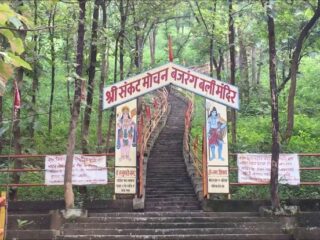
Pahad Mandir Raigarh
Pahad Mandir is a hilltop Hindu temple and prominent religious landmark located in Raigarh, India. Known for its elevated position offering panoramic views of the city, it attracts devotees and tourists alike, especially during major Hindu festivals. Setting and access Pahad Mandir sits atop a small hill on the outskirts of Raigarh, accessible via a flight of steps or a motorable road. The temple’s elevated site provides a vantage point over the surrounding city and countryside. Visitors often climb at sunrise or sunset for views and worship. Religious significance Dedicated primarily to Lord Shiva, the temple serves as a spiritual center for local residents. Devotees visit year-round, with particularly large crowds during Mahashivratri and the holy month of Shravan. The atmosphere combines devotion, scenic tranquility, and traditional ritual practice. Cultural and tourist appeal Beyond its religious role, Pahad Mandir functions as a popular local attraction. The hilltop offers a picnic-friendly environment, and the temple’s architecture—though modest—blends regional styles with simple stone and painted structures. Its combination of faith, landscape, and community events makes it one of Raigarh’s signature points of interest.
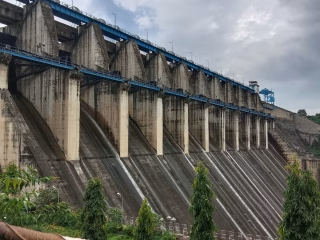
Kisanpur Dam
Kisanpur Dam is an irrigation structure located near Raigarh in the Indian state of Chhattisgarh. Built to harness regional water resources for agriculture, it supports local farming communities and contributes to groundwater recharge and ecosystem balance in the surrounding area. Construction and design Kisanpur Dam is an earthen embankment designed to store monsoon runoff and supply irrigation water during dry months. The dam features a modest spillway and canal network distributing water to nearby farmlands. Its design focuses on sustainable use of seasonal rivers typical to the region. Role in regional agriculture The dam’s reservoir enables double-cropping in adjacent villages by providing a reliable water source for rice, pulses, and oilseed cultivation. It also helps mitigate drought risk and supports rural livelihoods in Raigarh’s agrarian economy. Environmental and local significance Beyond irrigation, Kisanpur Dam aids aquifer recharge and maintains local biodiversity through its reservoir ecosystem. It serves as a minor recreational site for nearby communities and contributes to the regional landscape’s ecological stability.

Tipakhhol Waterfall
Tipakhhol Waterfall is a scenic natural cascade located near Raigarh in the Indian state of Chhattisgarh. Known for its lush forest surroundings and tranquil pools, it is a popular spot for local tourism, picnics, and nature excursions. The waterfall highlights the rugged terrain and natural beauty typical of the region’s highland plateaus. Geography and setting Tipakhhol lies amid the forested hills of Raigarh district, where seasonal streams feed its steady flow. The waterfall forms a natural amphitheater surrounded by rocky cliffs and dense vegetation. During the monsoon, increased water volume creates a dramatic cascade, while in the dry season it becomes a gentler flow ideal for swimming and picnicking. Tourism and access The site has emerged as a favored weekend destination for residents of Raigarh and nearby towns. Visitors typically travel by private vehicles or local transport via the Gharghoda–Kunkuri route. Though the approach road is partly unpaved, the journey rewards travelers with scenic countryside views and opportunities for nature photography. Ecological and cultural significance The area around Tipakhhol Waterfall supports diverse flora and fauna characteristic of the Chhattisgarh plateau ecosystem. Local communities often consider the site a place of natural heritage and hold small gatherings or festive outings there, especially after the monsoon when the landscape is at its most vibrant.

Gomarda Wildlife Sanctuary
Gomarda Wildlife Sanctuary is a protected forest area in Raigarh district of Chhattisgarh, India. Known for its undisturbed landscapes and rich biodiversity, it serves as an important habitat for wildlife typical of central India’s dry deciduous forests. Geography and Ecosystem The sanctuary lies on the eastern edge of the Chhattisgarh plateau, characterized by rolling hills, river valleys, and dense sal forests. The Gomarda River and its tributaries support a variety of flora and fauna. Seasonal streams and plateaus within the reserve create a mosaic of grasslands and woodlands, vital for herbivores and predators alike. Wildlife Gomarda hosts a wide range of species including Indian bison (gaur), sambar deer, chital, four-horned antelope, and wild boar. Predators such as leopards, sloth bears, and wild dogs are also present. The area is home to numerous birds, reptiles, and smaller mammals, contributing to its ecological significance in Chhattisgarh’s wildlife network. Conservation and Access The sanctuary remains relatively undisturbed and less commercialized than other Indian reserves, providing an authentic wilderness experience. Conservation efforts focus on habitat protection and anti-poaching patrols. Tourism is modest, with access typically arranged through Raigarh Forest Division, ensuring minimal impact on wildlife. Ecological Importance Gomarda Wildlife Sanctuary acts as a crucial corridor between central Indian forest tracts, supporting genetic diversity and species migration. Its preservation helps maintain watershed health and forest cover in an area facing increasing human pressure from surrounding agricultural zones.
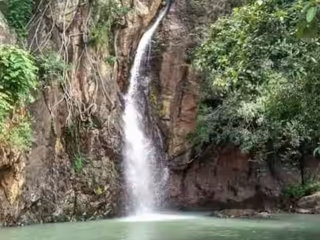
Ram Jharna
Ram Jharna Ram Jharna is a natural water spring and pilgrimage site located near Raigarh in the Indian state of Chhattisgarh. It is revered for its association with the Hindu epic Ramayana and attracts both devotees and tourists for its scenic beauty and cultural significance. Mythological significance According to local tradition, Lord Rama, during his period of exile (vanvas), drank water from the spring at this site. The name “Ram Jharna” literally translates to “Rama’s spring,” reflecting this connection. As a result, it has become a place of worship and cultural remembrance in the region. The spring emerges naturally from the rocky terrain surrounded by dense greenery, creating a tranquil environment. A small temple dedicated to Lord Rama stands nearby, where visitors offer prayers and collect the spring’s clear water, considered sacred by devotees. Tourism and cultural importance Ram Jharna serves as both a spiritual and recreational destination. It is a popular weekend spot for local residents and travelers seeking a peaceful natural retreat. During religious occasions such as Ram Navami, the site hosts rituals and attracts pilgrims from neighboring areas, reinforcing its role as a regional cultural landmark.